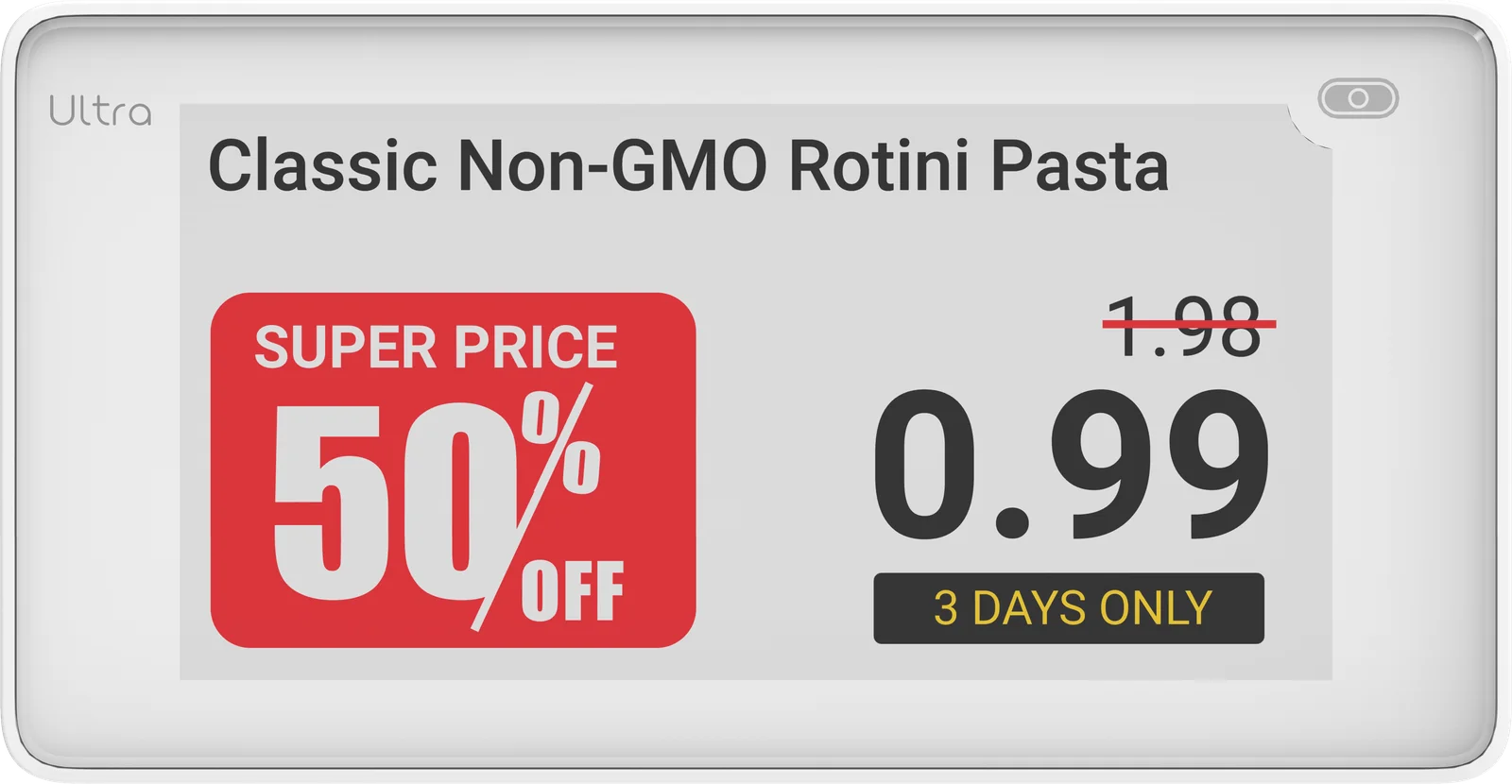
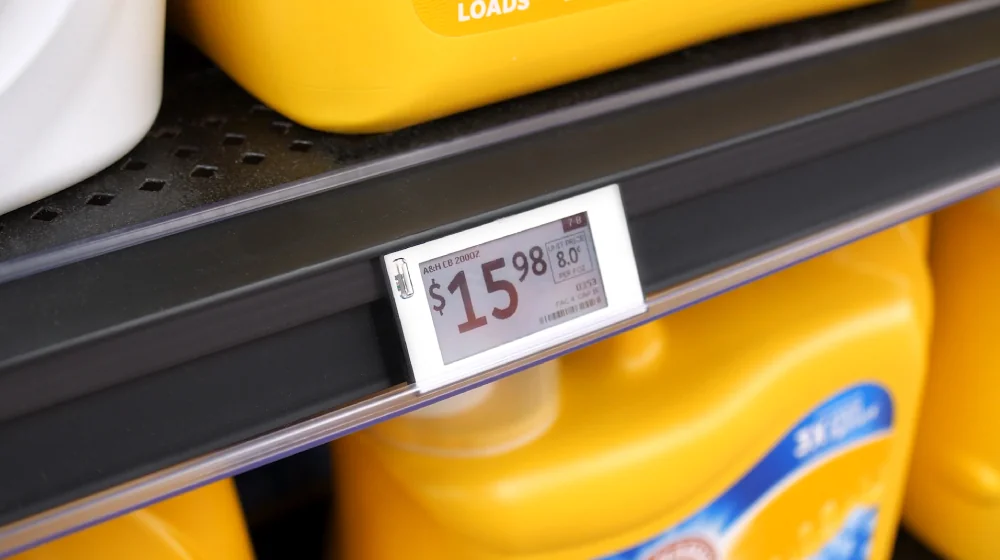
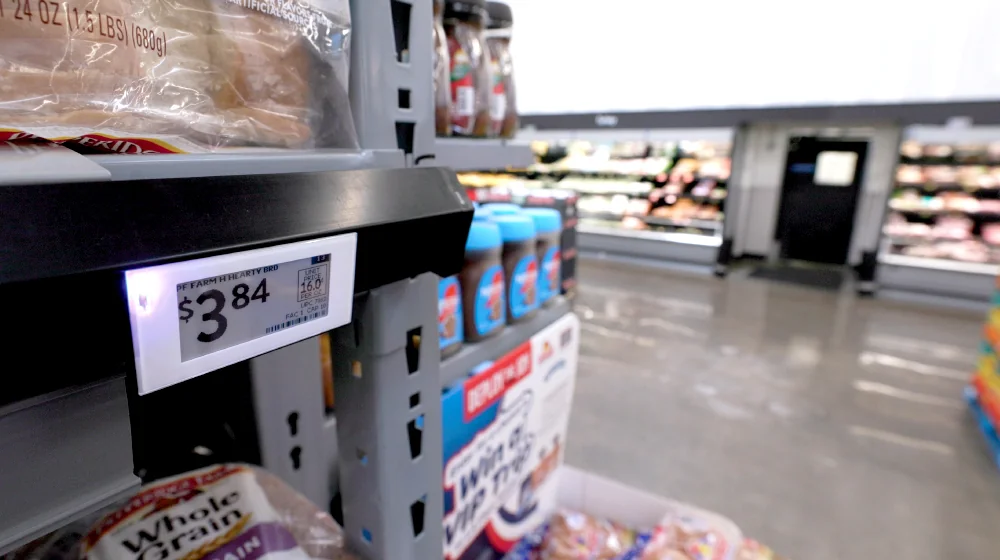
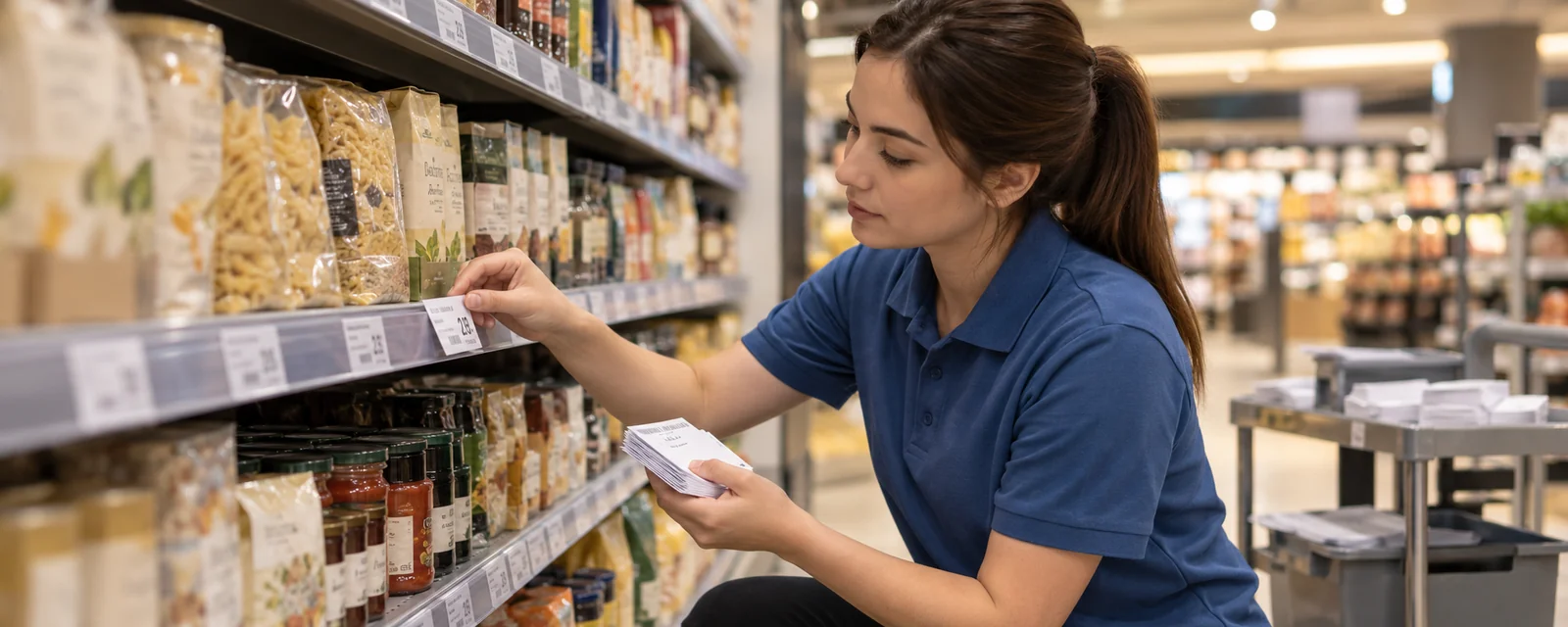
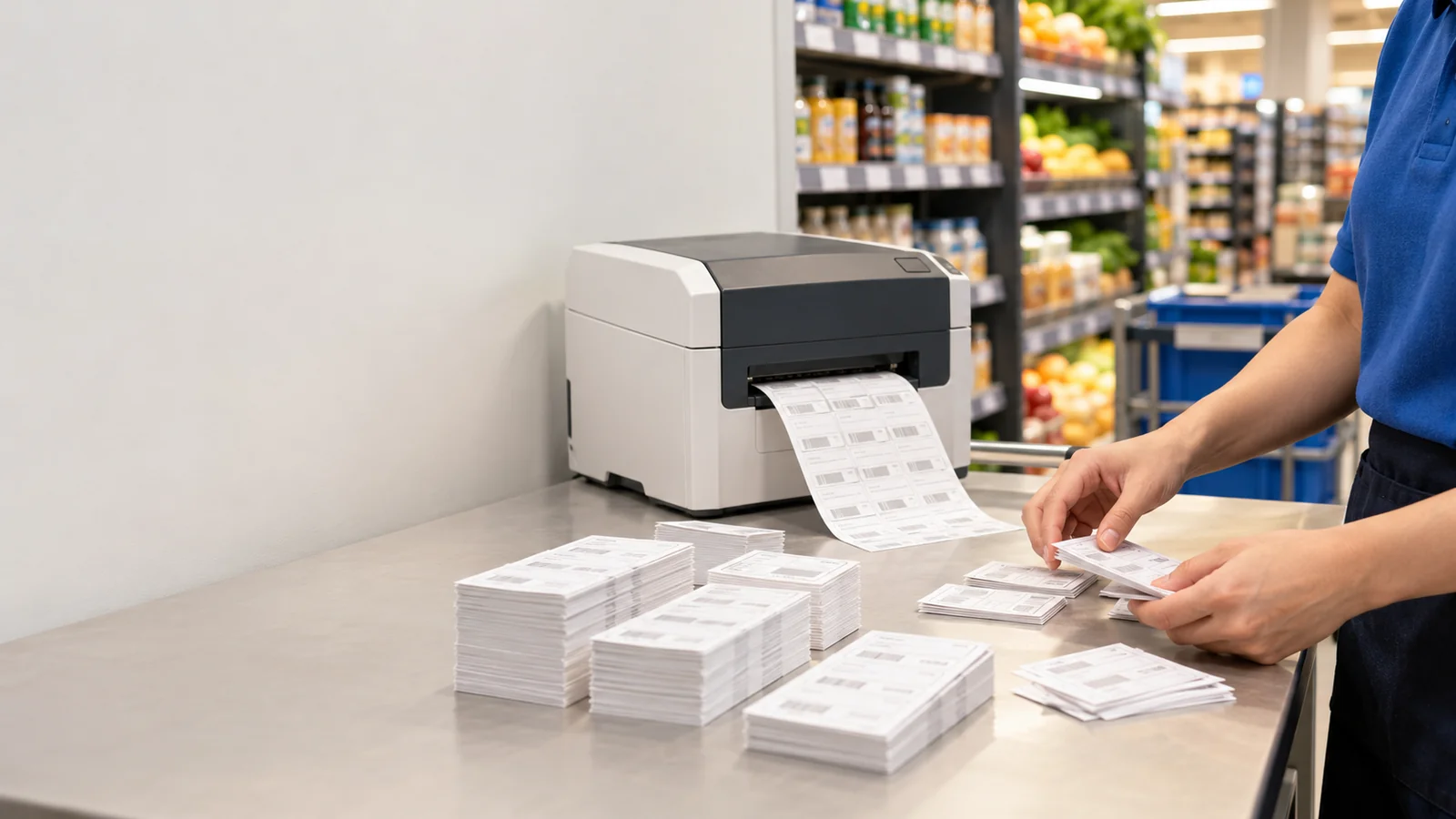
Frequent price changes MARKDOWN$4.99 WEEKEND PROMOTION$3.99 MEMBER OFFER$3.79 Print and replace, again. Illustrative prices Every promotion starts another round of printing and replacement.
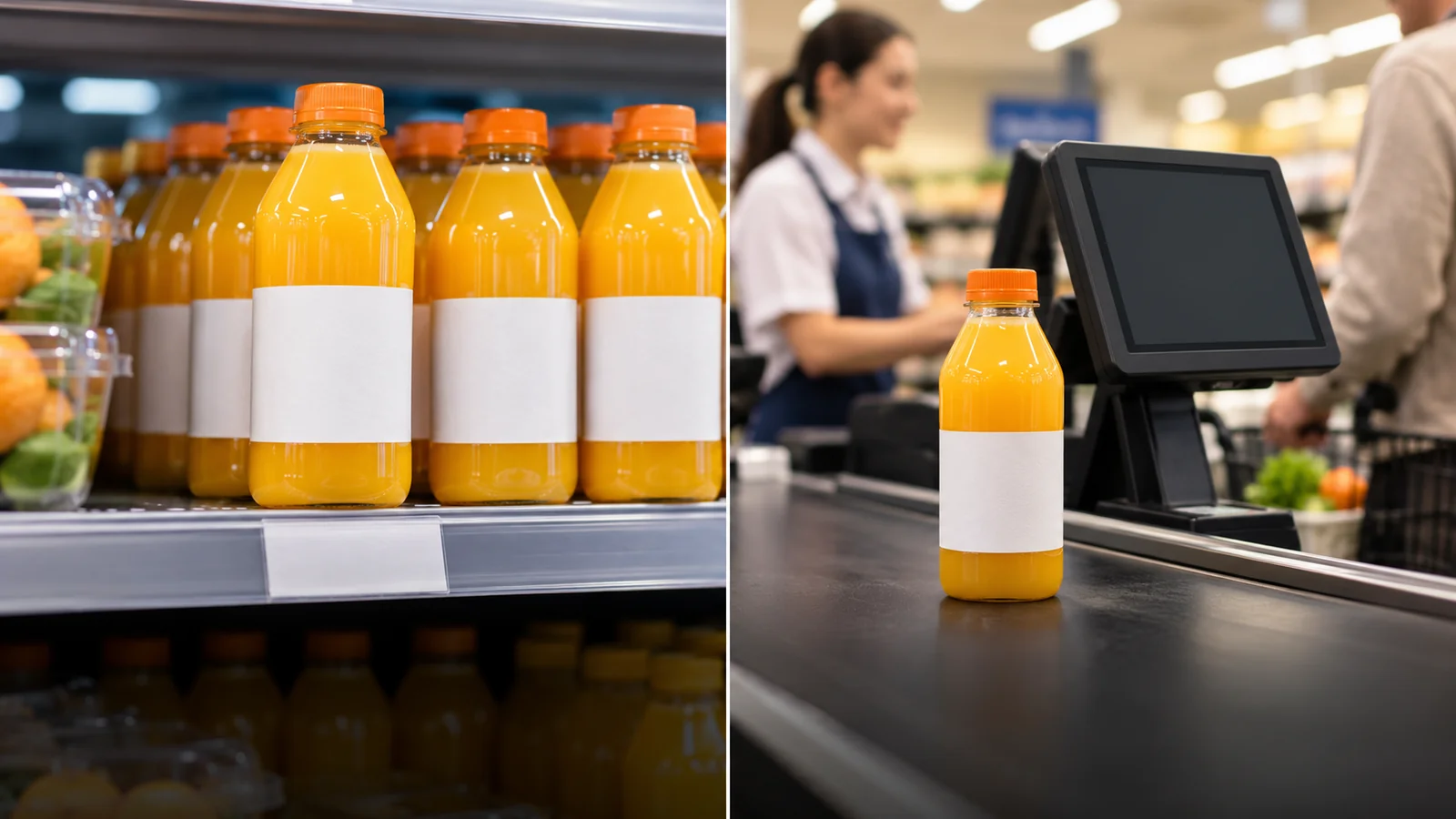
Price mismatches Illustrative price example ON THE SHELF$3.99 AT CHECKOUT$4.49 ≠ Delayed label updates mean the price at checkout differs from the price the customer saw.
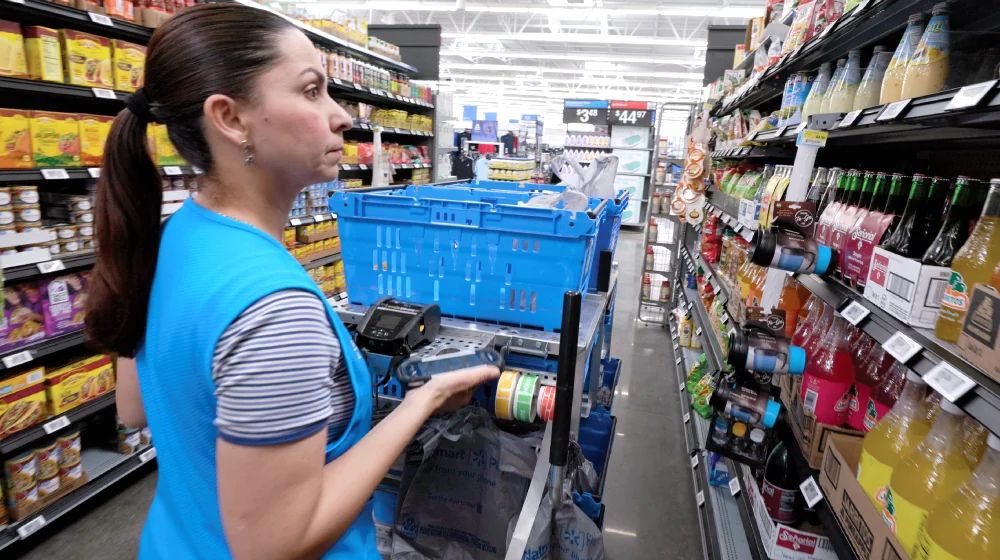
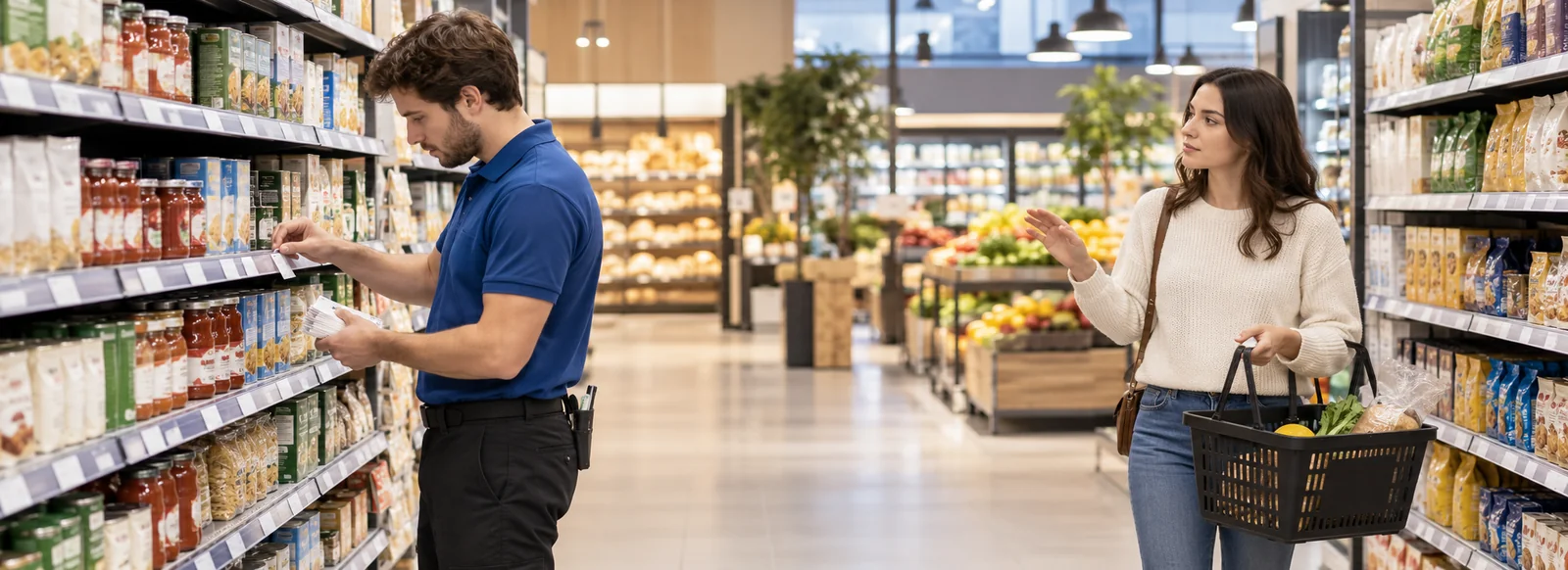
Customer service Busy replacing paper labels 🫨 Waiting for help...🥺 While staff replace labels, customers wait for help.
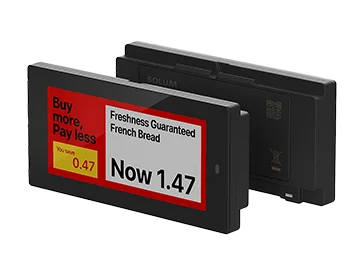
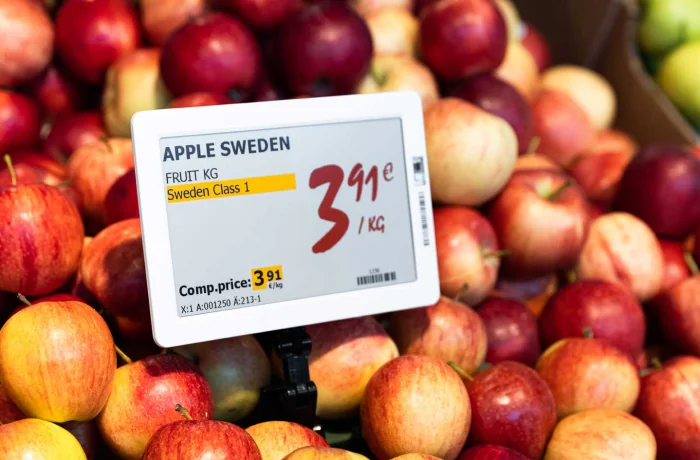
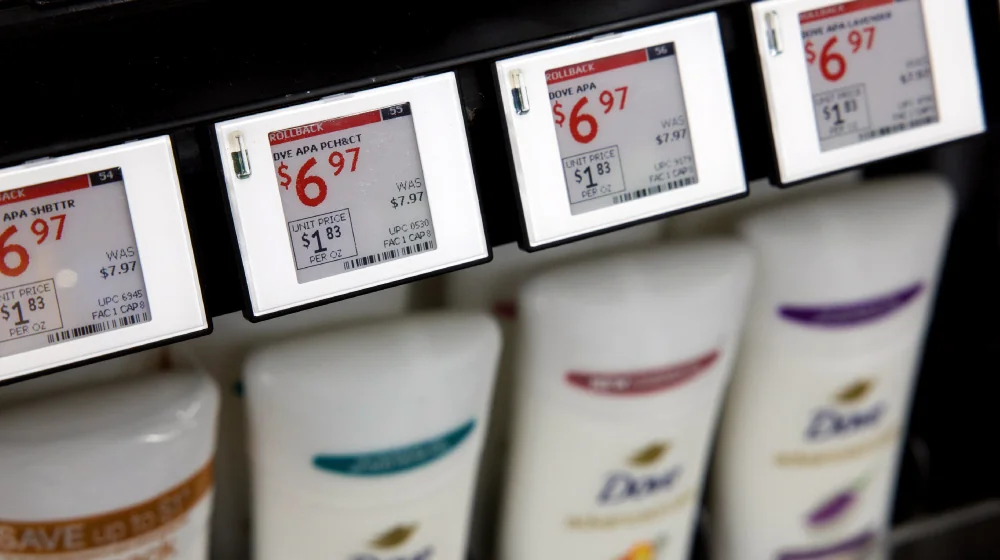
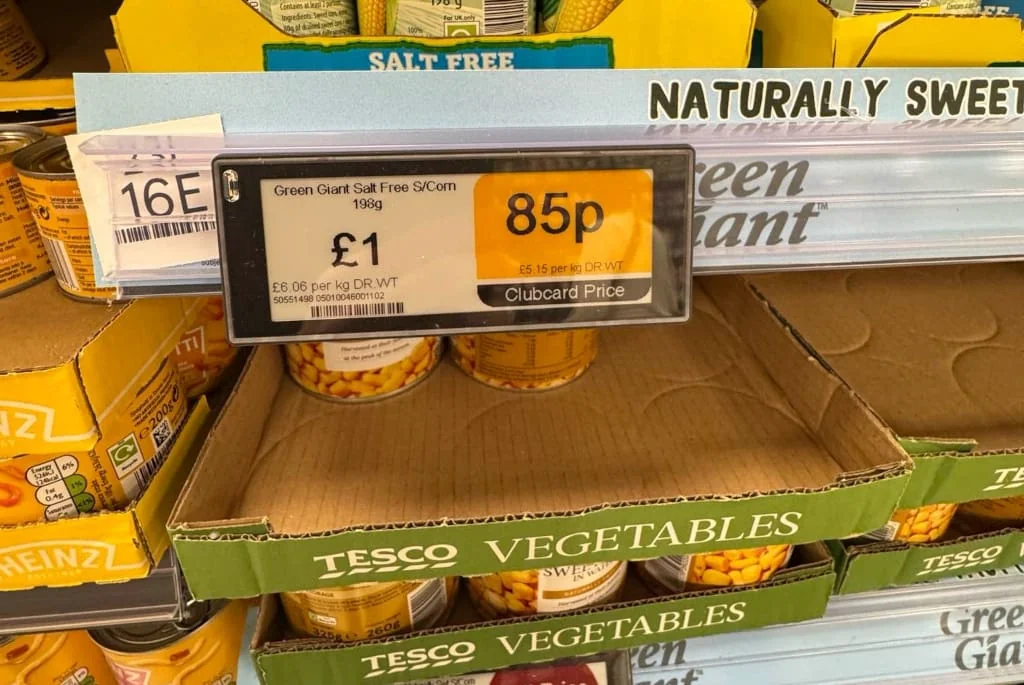
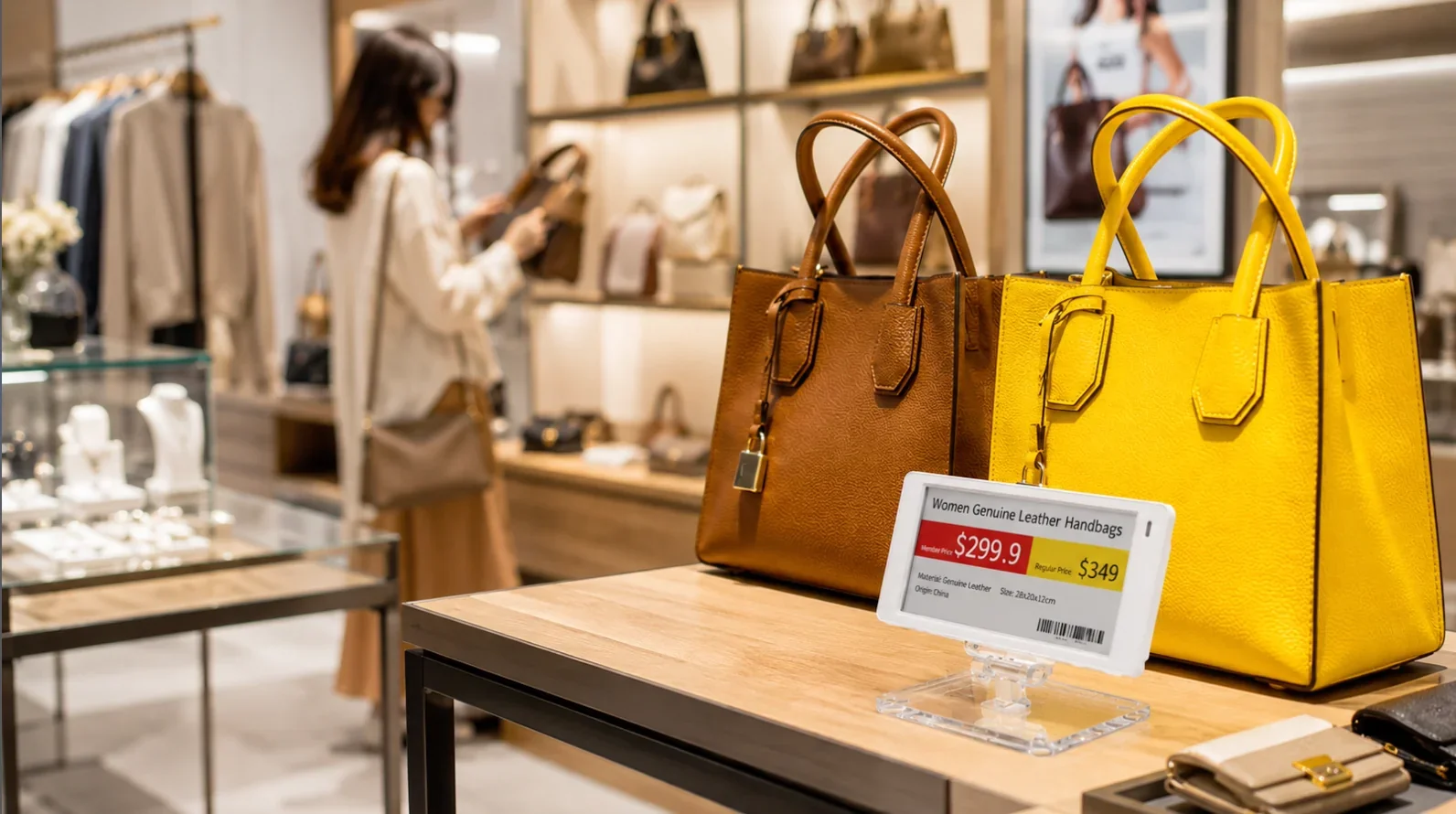
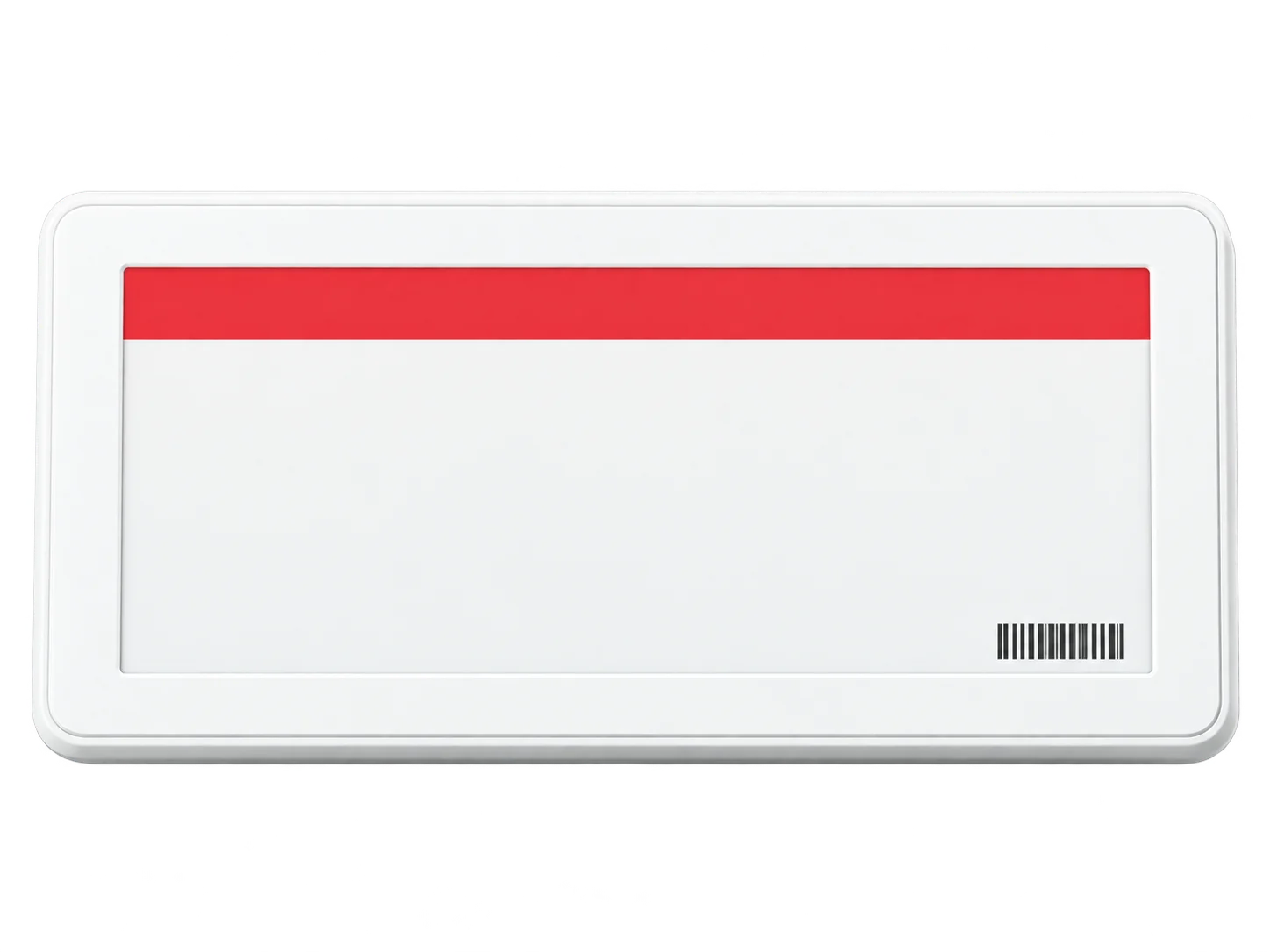
01Four colors, clearer offersBlack, white, red and yellowCompared with black-and-white ESLs, four-color ESLs can display product images, brand logos, and a wider variety of display templates.
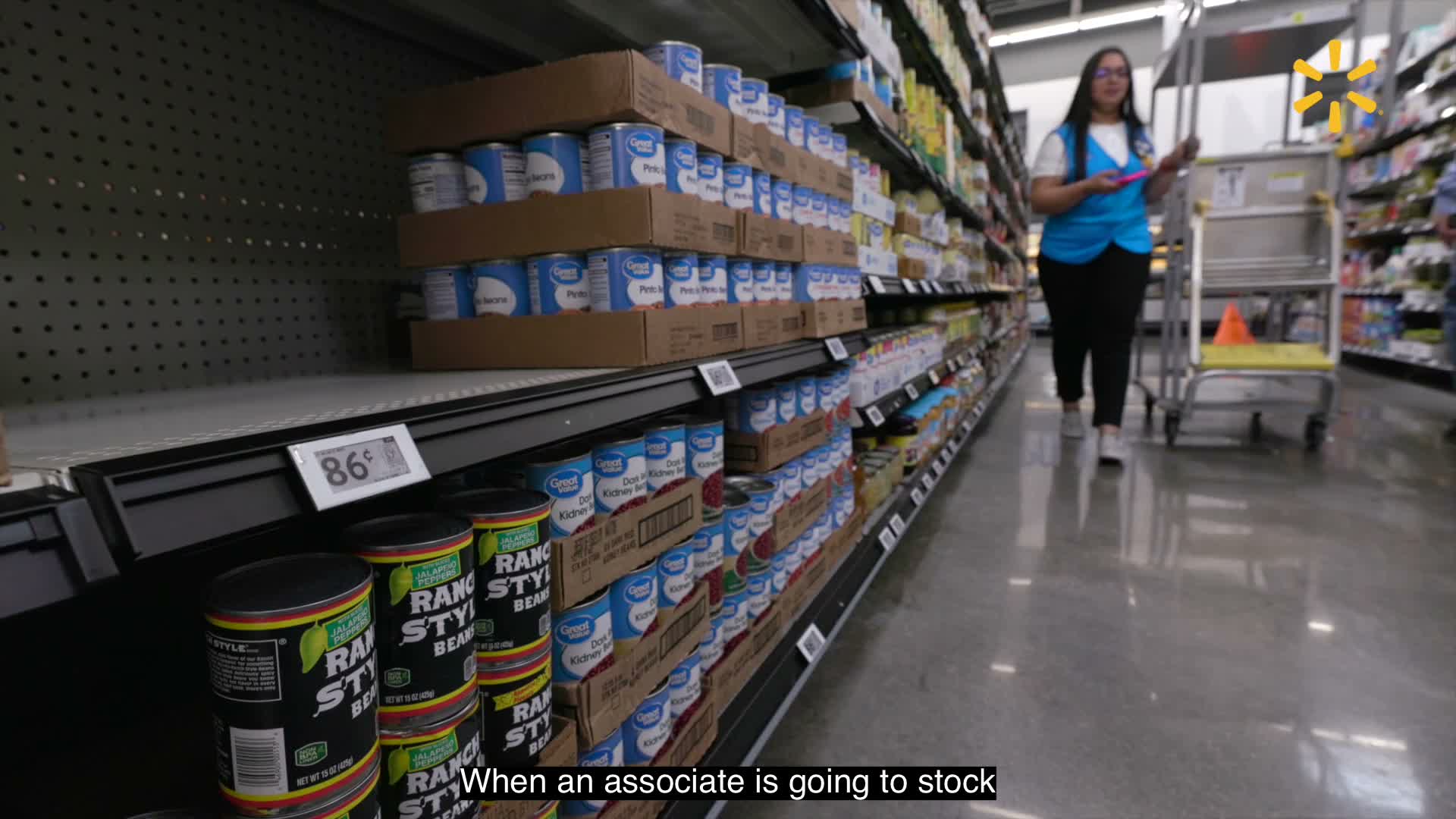
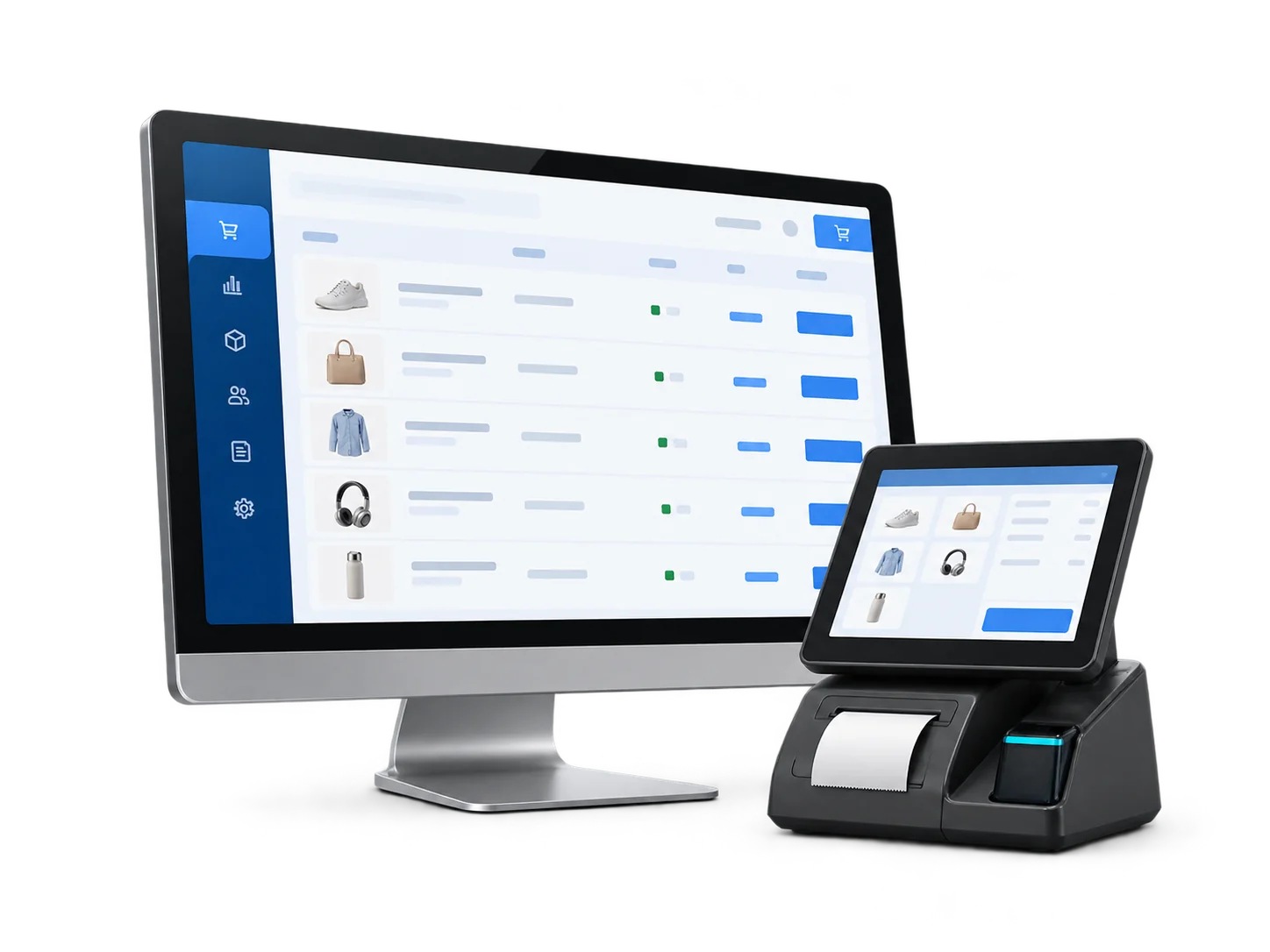
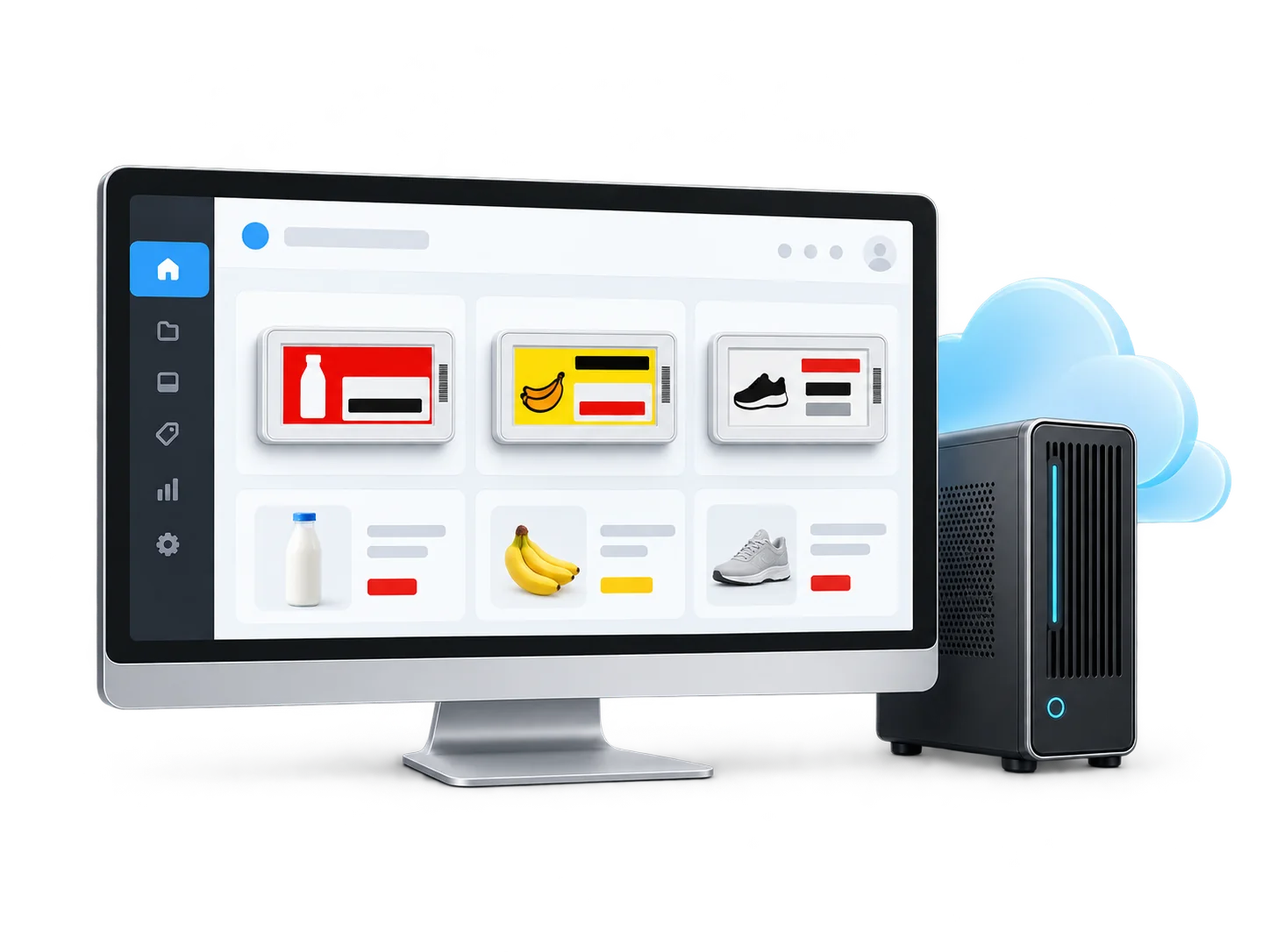
02Prices managed centrallyWireless updates via the ESL platformReduce labor costs, ensure price accuracy through real-time updates, and improve customer service quality.
03Low power, less upkeepE-paper with coin-cell powerCoin-cell power avoids daily charging. Battery monitoring helps plan replacements.
04Flexible content layoutsCustom templates, languages and codesShow item details, barcodes and QR codes using layouts from the platform.
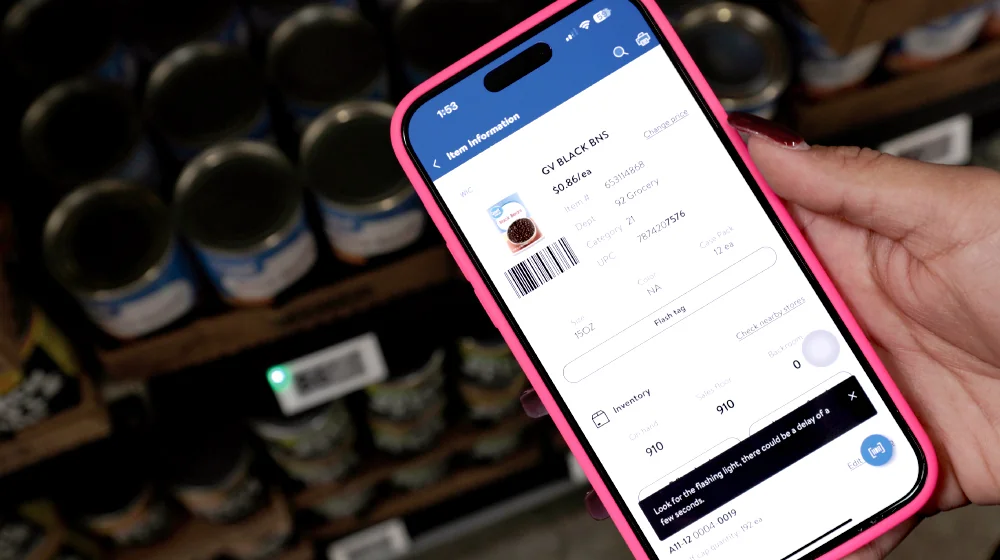
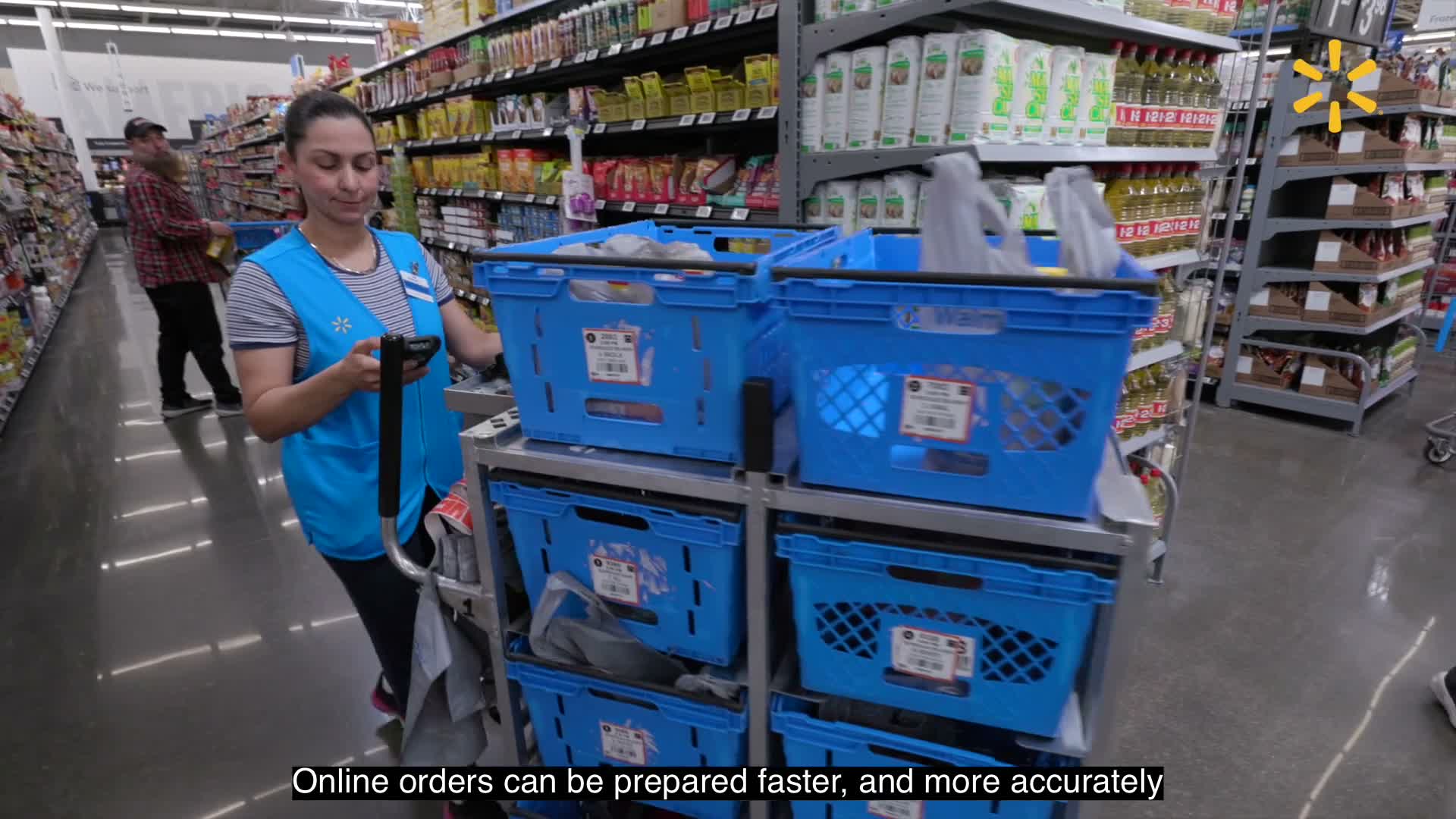
05A light to find the itemConfigurable LED flashingGuide staff to a product during picking or replenishment with supported tags and workflows.
06Protection for store useIP65, with optional IP68 on selected sizesMatch the protection level and temperature variant to the installation. Support -20℃~60℃
🇫🇷 France 53.1%(200M+ ESLs / year)2025 market share (GMI) Hardware, cloud & AICloud fleet managementAI-driven shelf monitoring 612MCloud-connected ESLs, Sep 2026 SELECTED CUSTOMERS
🇨🇳 China 18.8%(100M+ ESLs / year)2025 market share (GMI) Enterprise deliveryLeading Chinese ESL supplierInternational deployment support 55,000+ storesAcross 70+ countries SELECTED CUSTOMERS
🇰🇷 South Korea 14.1%2025 market share (GMI) Fast batch updatesNewton ESL product familyBroad sizes and form factors 45,000 ESLsRefreshed in one hour SELECTED CUSTOMERS
🇸🇪 Sweden ~10%Approximate market share Optical wirelessNear-infrared communicationSeparate from Wi-Fi / BLE bands Since 1991Optical ESL pioneer SELECTED CUSTOMERS
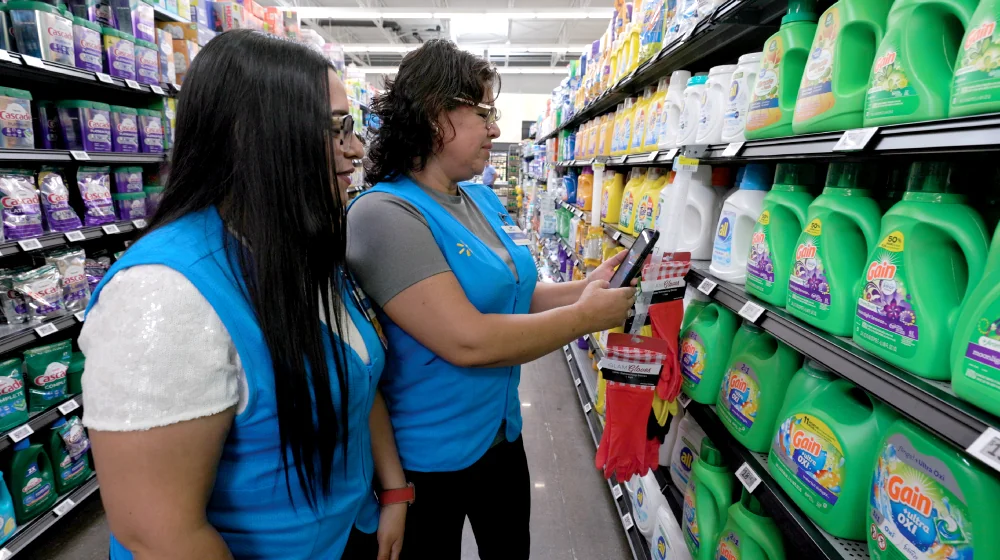
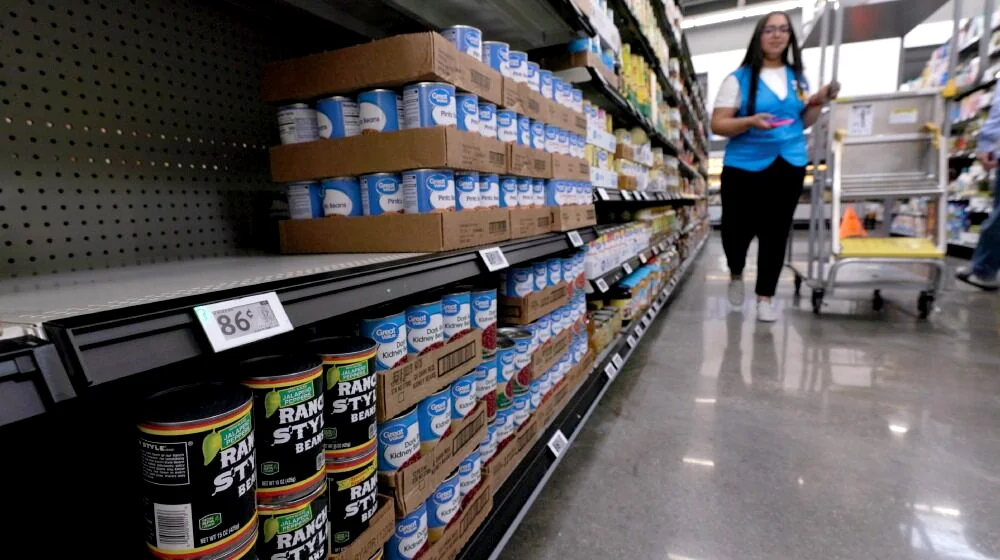
REGION 01 / 04 North America35% Accelerating rolloutsWalmart is driving wider awareness.Chain-wide adoption opens the next wave. WALMART U.S.Around 2,300 stores live in March 2026 (~200M ESLs).
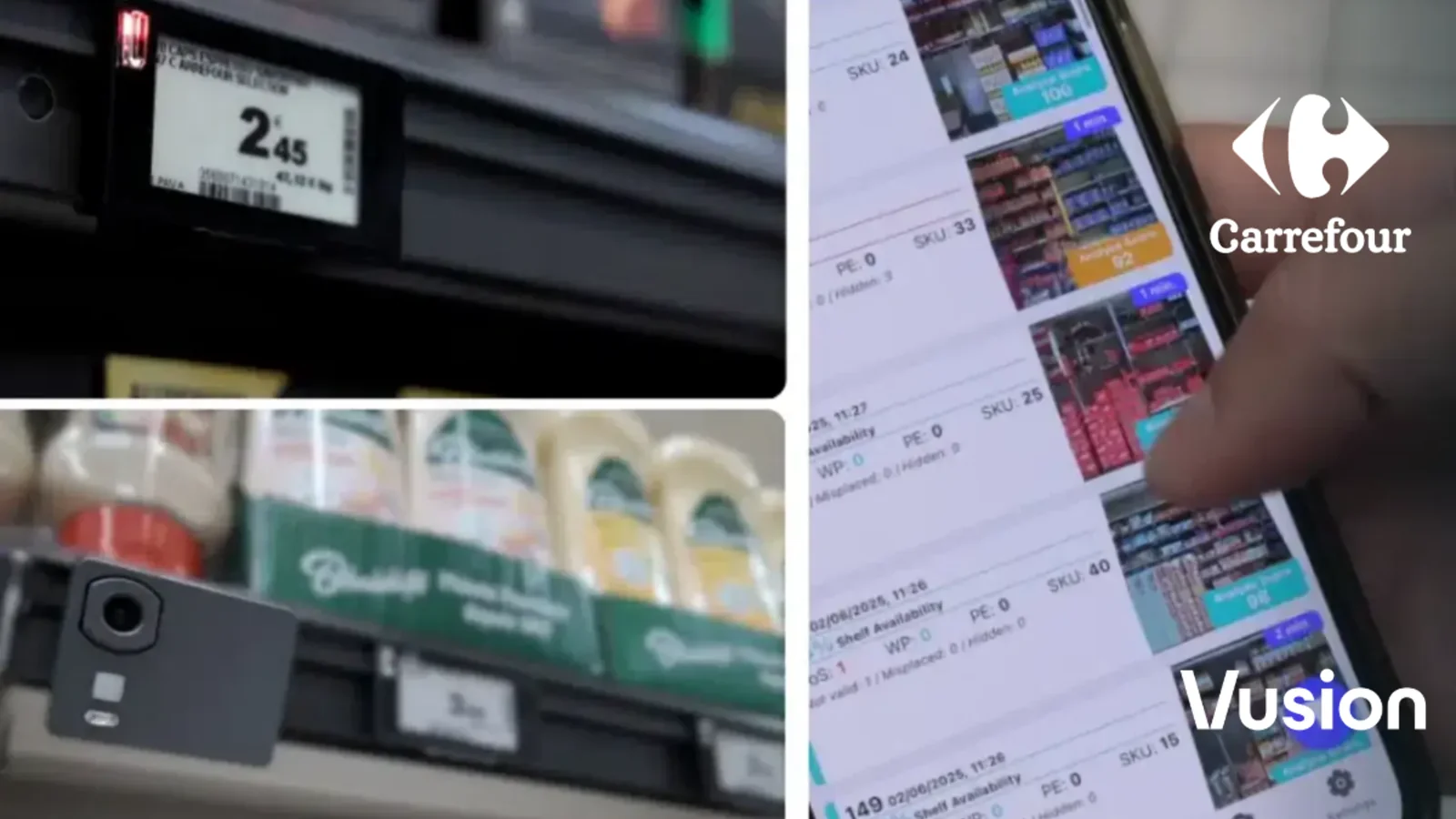
REGION 02 / 04 Europe32% Upgrades & SustainabilityNew installations and replacement cycles, driven by sustainability initiatives and efforts to reduce paper waste. CARREFOUR · FRANCEFrench hypermarkets and supermarkets:rollout planned through 2030.
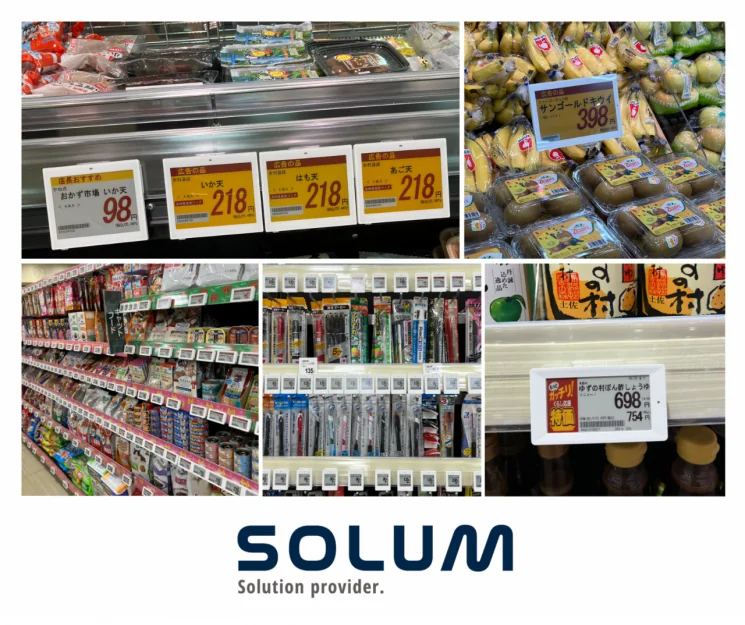
REGION 03 / 04 Asia Pacific28% Different markets, different needsChina, Japan and South Korea are key markets.Local retail formats shape product requirements. JAPAN · GROCERY ADOPTIONSupermarket and cooperative-storedeployments in Japan.
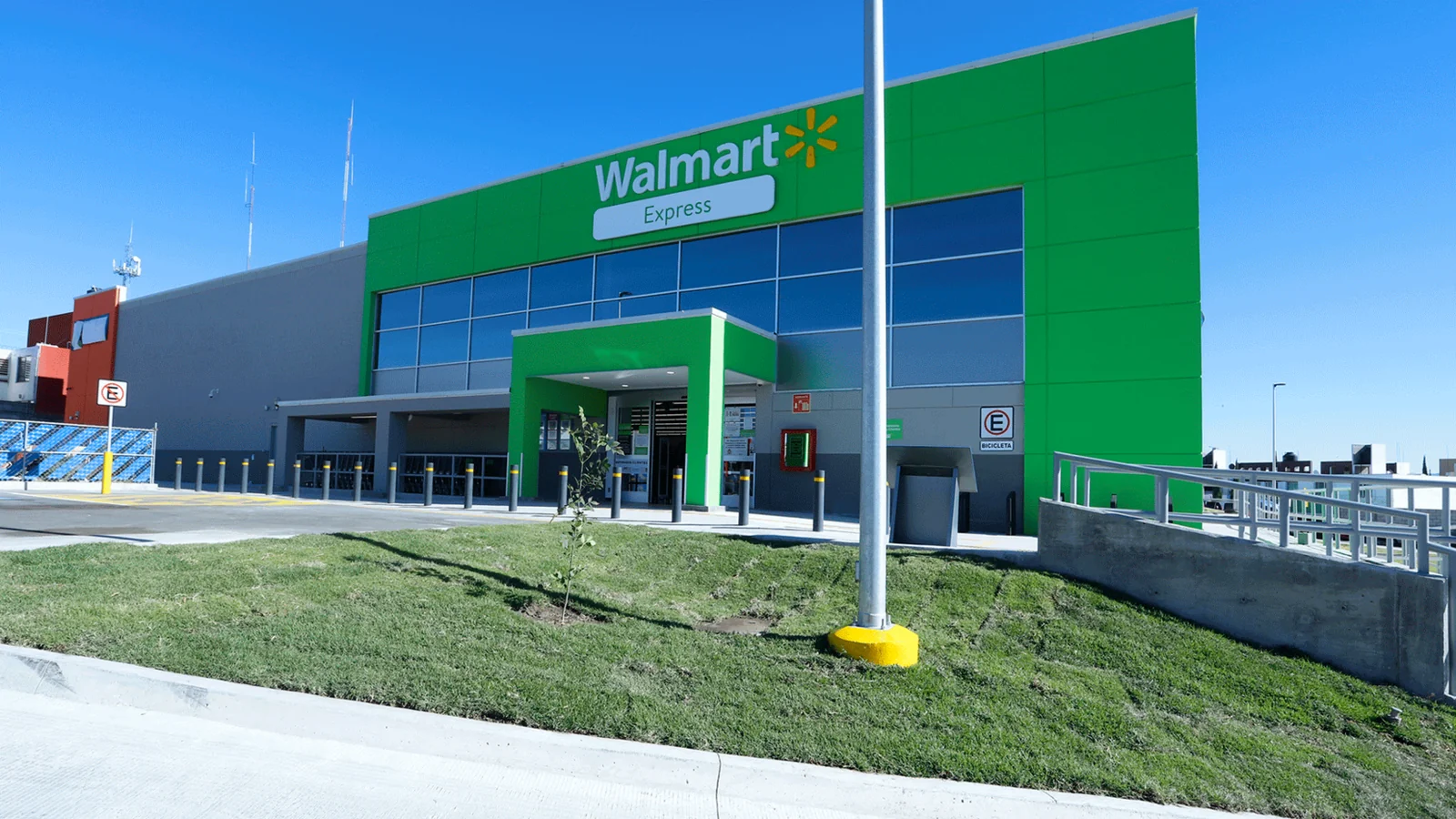
REGION 04 / 04 Latin America3% Early-stage expansionLarge chains are moving into wider rollouts.Brazil and Mexico offer clear entry points. WALMART EXPRESS · MEXICOInitial rollout planned:more than 1.7M ESLs. CAGR: 16.7%
RetailThe dominant ESL application90%Supermarkets, grocery stores,electronics storesPrice updates, promotions,inventory information
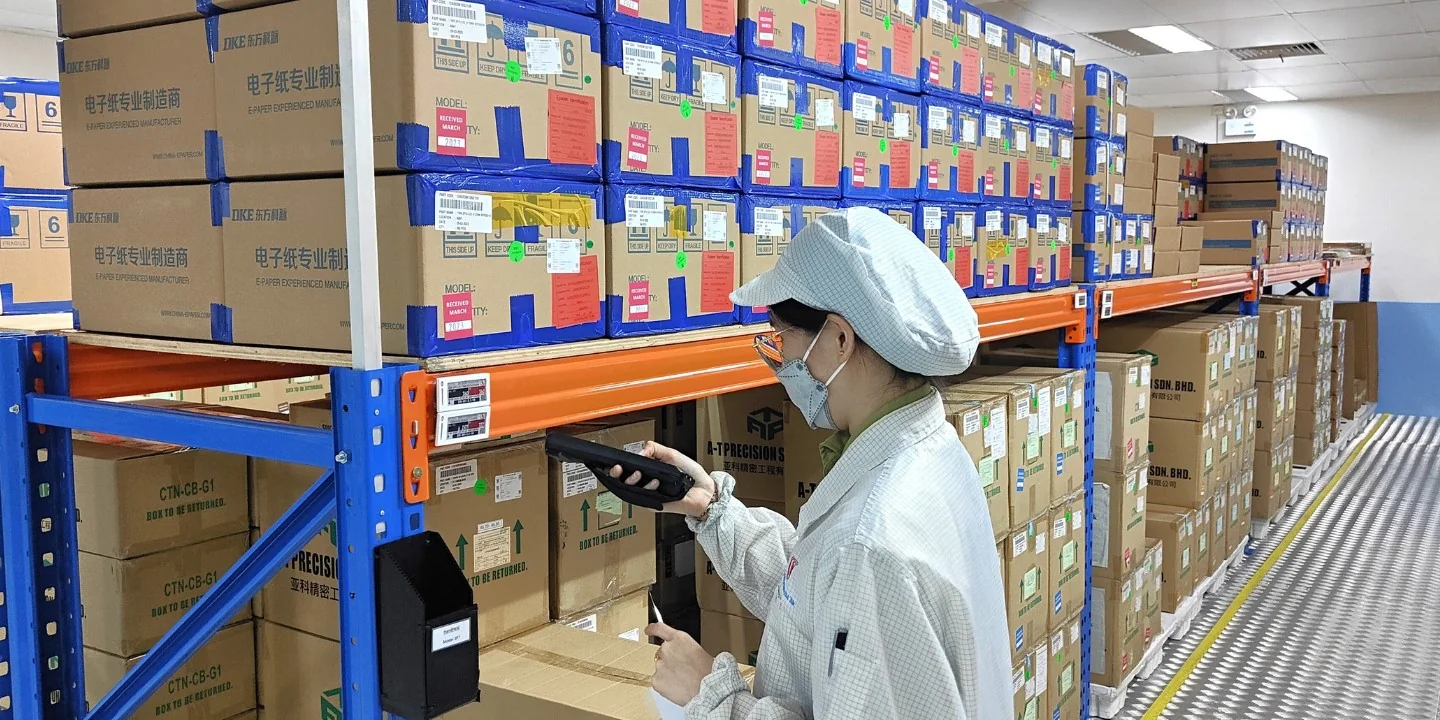
Industrial & ManufacturingFactories, production linesMaterials, workstation labels, production status
01Existing UROVOCustomersPDA → ESLStart with retailers alreadyusing UROVO PDAs.Use the existing relationship toidentify a real operational need.
02Software SolutionProvidersSoftware + ESLExtend ERP, POS and retailsoftware solutions with ESL.Partners provide business softwareand integration. UROVO provides theESL system and technical support.
03Regional Retailers10–100storesSupermarkets, conveniencestores and pharmacies.Look for frequent repricing andaccessible decision-makers.
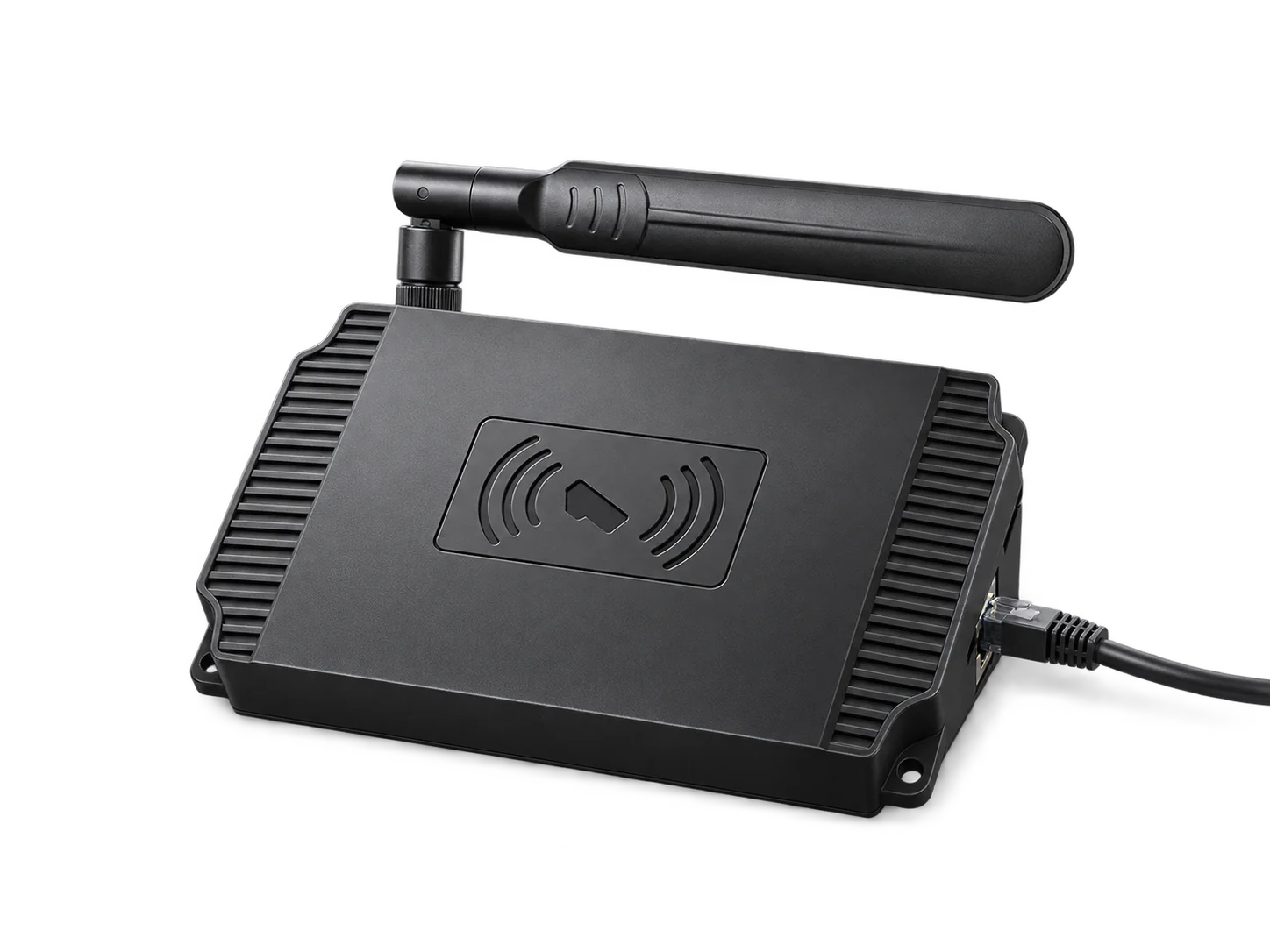
UROVO provides a complete ESL solution.Electronic shelf labels, matching base stations / APs, and the ESL Management Platform.The labels and APs use a matching proprietary wireless protocol. A standard Wi-Fi router cannot replace the ESL AP.ESL PlatformManage content→UROVO APSend wireless updates→ESLsDisplay information
The current four-color range displays black, white, red and yellow.E-paper uses a defined color palette. It does not reproduce the continuous RGB color range of an LCD.Four colors give promotions and price templates more visual options than black-and-white displays.Display colors and the separate LED indicator colors are different features.
The current range includes 1.6, 2.1, 2.6 and 4.2-inch labels.1.6-inch: compact products and limited shelf space, such as cosmetics. The supplied notes report a small Hong Kong customer trial.2.1 / 2.6-inch: everyday shelf information. 4.2-inch: more room for product details and promotions.5.8 and 10-inch: listed as under development. Confirm release status before quoting availability. Larger formats can support promotional or advertising content.
Expect multi-year coin-cell operation, with the rating confirmed for the selected model and usage.Around 5 years or more is the supplied normal-use reference, including daily refreshes. Confirm the model and test conditions before quoting 7+ years.E-paper retains the displayed image without continuous screen refresh. Wireless communication and other electronics still consume power.Refresh frequency, signal quality, retries, LED / NFC use, temperature and battery type affect endurance.The platform monitors battery levels so customers can plan maintenance.
NFC is available on supported models. Use the platform and AP for routine store-wide updates.NFC can help identify a device or product, read associated information, or open product details and online ordering through a suitable app and configured data.Direct NFC image updates are mainly for demos or specific use cases, rather than the normal large-store update workflow.Confirm the selected label and application support the intended NFC function.ESL PlatformPrepare the update→Base StationTransmit the update→ESLRefresh the display
Yes. Supported labels provide six-color LED guidance.Available indicator colors: red, yellow, blue, green, cyan and purple.The platform can trigger selected labels to flash for picking, replenishment, stock checks or product location.LEDs provide short-duration visual assistance. Brightness and continuous-on time are limited, so ESL should not be positioned as a dedicated industrial pick-to-light or audiovisual guidance system.
Choose the temperature variant for the installation.The supplied standard-product reference is approximately 0°C to 40°C.Freezers, cold-chain areas and high-temperature locations may need a suitable variant or project-specific development.Confirm the exact model specification before quoting a wider temperature range. The full product range should not be assumed to share one operating range.
Standard models support IP65, with IP68 options on selected models.IP65 supports dust and water protection for general retail use.For wet areas, cold cabinets or frequent water exposure, assess the environment and select an appropriate model.Confirm the protection rating of the exact label model before installation.
A standard Wi-Fi router cannot replace the ESL base station.AP-to-label updates use a proprietary low-power 2.4 GHz protocol, not ordinary Wi-Fi.Wi-Fi or Ethernet connects the base station to the customer network. The label update link is a separate connection.Use the matching UROVO base station with the ESLs.Customer NetworkBusiness connectivityWi-Fi / Ethernet→UROVO APMatching base stationPrivate 2.4 GHz→ESLsShelf displays
Yes. Select the network and power arrangement for the site.Wi-Fi connectionThe AP joins the customer Wi-Fi network and still needs its own power supply.PoE connectionA compatible PoE switch or router carries Ethernet data and power over one cable, without a separate AP power cable.Confirm that the customer-side equipment supports the required PoE standard.
Plan the label count together with coverage and update workload.The supplied notes describe million-level theoretical capacity. This is not a practical per-store deployment guarantee.The actual supported configuration must account for the site, RF conditions, label count and required batch-update time.Confirm the deployment design and validate it in the customer environment before committing to a per-AP count.
Use around 30 m as an initial planning reference, then validate on site.An early estimate may use around 3,000 m² per AP. This is a rough planning reference, not guaranteed coverage.Shelves, metal, walls, refrigeration, liquids, 2.4 GHz interference and installation positions affect the link.An approximately 100 m maximum-distance specification is not the same as effective coverage in a working store.Determine AP quantity and placement from the layout and field tests. Do not calculate a fixed AP count simply by dividing store area by one coverage figure.
A live refresh demo needs a complete, configured environment.Prepare labels, a matching AP, network access and the ESL platform.Configure the AP and labels and check connectivity before the customer session.If the environment is unavailable at an exhibition or customer site, use a demo video, a preconfigured kit or the showroom demo instead.
Use RESTful APIs where possible. Middleware is an alternative.RESTful API — preferredThe customer develops against the supplied API. A product or price change reaches the ESL platform, which publishes the label update.ERP / POS / WMSProduct and price dataRESTful API→ESL PlatformReceive the API updatePublish→ESLsRefresh via the APDatabase + middlewareWith agreed database access, middleware periodically reads customer data and sends detected changes to the ESL platform.Agree data mapping, polling interval, integration ownership and access arrangements for the project.
A single label typically updates in about 20 seconds.Actual time depends on content, wireless conditions and device status.For batch planning, the supplied reference is around 30 minutes for approximately 1,000 labels on one AP, depending on the environment and task.Treat these figures as project references. Validate the required update workload during the PoC.
Yes, when the platform has the correct fonts and renders the content properly.Examples include Arabic, Korean, Japanese, Chinese, Latin languages and special characters.The server renders product data and text into an image; the label displays that image.Test the actual fonts, characters and layouts required by the customer.Product DataText and charactersFonts + layout→PlatformRender the imageImage update→ESLDisplay via the AP
Yes. Provide the required font files for project evaluation.The team can integrate suitable fonts into the template and rendering system.Validate the intended text, special characters and final label layout before deployment.
The system retries updates and records the outcome for follow-up.Automatic retries may run up to approximately 10 times. Confirm the active version and retry configuration.The platform shows task progress, update success or failure, logs and device status.If the update still fails, investigate the device or network and resend the task from the platform.Automatic RetryRetry the update→Logs / AlertsIdentify the failure→Follow-upInspect and resend
Yes. Alerts, email notifications and reports can support daily operations.Monitor AP offline events, label update failures, low batteries and other supported device exceptions.Notification delivery and periodic reports depend on the configured platform and email settings.Staff can check status and follow up on exceptions without continuously watching the dashboard.
Yes. We evaluate the requirement and propose an appropriate development solution.Describe the use case, business purpose, workflow, user roles, data sources and third-party integration needs.The product and development teams assess feasibility, scope and delivery before a commitment.Hardware changes also require review of design, tooling, certification, MOQ, cost and lead time. Do not promise a change before that review.
Yes. Cloud hosting and private / on-premises deployment are available.The hosted service described in the supplied notes uses Alibaba Cloud.Private deployment can address data privacy, localization, security or internal IT requirements, with project-specific technical support.Server planning references16 GB / 32 GB RAM can be an initial configuration reference.Internal storage examples are approximately 10 GB for 1,000 labels and 100 GB for 10,000 labels. These are preliminary estimates, not a universal per-label storage requirement.Finalize resources from label volume, images and templates, log retention, backup policy and concurrent tasks.

 $4.99